
Planning a trip to Phuket starts with choosing the right time to go. As Thailand’s largest island, Phuket is a destination you can enjoy year round, but sea conditions, crowds, and costs shift depending on the distinct seasons. If you are deciding the best time to visit Phuket for beaches, festivals, or deals, this guide breaks down Phuket weather, the key weather patterns, and the smartest time to visit based on what you want to do when you visit Phuket.

Quick Summary: Best Time to Visit Phuket by Month
- December to February: best weather with blue skies, sunny days, and calm seas, but also peak season and higher hotel prices
- March: still a great time to visit Phuket, slightly hotter with more availability
- April to May: the hottest months, with a clear trade off between heat and savings
- June to October: the rainy season and wet season, with greener views and lower costs
- November: transition month with improving weather and strong festival vibesPhuket’s climate is tropical year-round, with warm temperatures and high humidity. The island has two main seasons: the dry season and the rainy (monsoon) season, with short transition periods in between.
Phuket Seasons Explained: Dry, Wet, and Everything in Between
Phuket has a tropical climate with warm average temperatures and humidity throughout the year. The big difference is rainfall and sea conditions, especially on the west coast.
Dry Season (November to April)
The dry season is the most popular best time to visit Phuket for classic beach conditions and smooth travel planning. You can expect more clear skies, more sunny days, and generally wonderful weather for boat trips.
- Weather: Sunny days, lower humidity, little rainfall.
- Sea conditions: Calm and clear, ideal for swimming, snorkeling, diving, and island hopping.
- Travel experience: Beaches are at their best, tours operate daily, and visibility underwater is excellent.
- Peak months: December to February, when conditions are near perfect but prices and crowds are highest.
This period includes high season, and parts of it overlap with peak tourist season, so it is wise to book hotels early if you are traveling around mid december or the holidays.
Rainy (Monsoon) Season (June to October)
The wet season is also known as the green season and includes the main monsoon season window. Expect rainy days, occasional heavy showers, and sometimes heavy rains that can impact offshore plans.
- Weather: Frequent showers, often heavy but usually short.
- Sea conditions: Rougher waves and stronger currents, especially on the west coast.
- Travel experience: Lush scenery, fewer tourists, and significant discounts on hotels and tours.
- Special appeal: Best time for surfing and travelers who prefer quiet beaches and lower costs.
Many travelers still visit Phuket during this period because you can enjoy resorts, spas, cafes, and indoor attractions with smaller crowds.

Best Seasons to Visit Phuket: High, Shoulder & Low Season
High Season (November-April): Best Weather & Activities
Best months: December, January, February
This is the most popular time to visit Phuket thanks to its consistently sunny skies, low humidity, and calm sea conditions. Beaches are at their best, with clear water ideal for swimming, snorkeling, scuba diving, and island hopping to nearby destinations. Outdoor tours, boat trips, and coastal activities operate at full capacity, making it perfect for first-time visitors and beach lovers.
Pros: Excellent weather, smooth sea conditions, great visibility for water activities, full access to tours and attractions.
Cons: This is the busiest and most expensive time of year, with higher hotel rates and large crowds, especially around Christmas, New Year, and major holidays.
Shoulder Season (November & April-May): The Best Balance of Weather and Value
November: Marks the transition from rainy to dry season. Rainfall decreases, landscapes remain lush, and travel conditions improve. Prices are still moderate before peak season begins.
April–May: The hottest months of the year. Expect strong sunshine and high temperatures, but fewer visitors than during peak season. It’s a good time for travelers who can handle the heat and want better hotel deals.
Pros: Fewer crowds, better prices than peak season, mostly good weather, strong availability of tours and activities.
Cons: Hot temperatures in April–May, and occasional rain in November as the seasons change.
Low Season (June-October): Best for Budget Travel & Green Scenery
This is Phuket’s monsoon season, bringing frequent rain showers, stronger winds, and rougher seas, particularly along the west coast. While beach and island activities can be affected, the island becomes beautifully green, and tourist numbers drop significantly.
Pros: Lowest hotel and flight prices, minimal crowds, great discounts on tours, best time for surfing (May–October), lush landscapes and waterfalls.
Cons: Heavy rain may limit outdoor plans, rough seas can cancel boat trips, and swimming conditions are not always ideal.
Month-by-Month Best Time Guide
January – February
Peak season. Dry, sunny, and comfortable. Perfect for beaches, snorkeling, diving, and island tours. Expect higher hotel rates and busy attractions.
March
Still excellent weather with slightly higher temperatures. Fewer crowds than peak months, making it a good balance for beach holidays.
April
Hot and sunny. Great for swimming and water activities, but heat can be intense. Prices begin to soften after the peak season.
May
Transition into the rainy season. Still plenty of sunshine, fewer visitors, and better hotel deals. Seas may start to get choppier.
June – August
Monsoon season. Regular rainfall, rougher seas, and fewer tours to offshore islands. Ideal for budget travelers and surfers. Landscapes are lush and green.
September – October
Wettest months. Lowest prices of the year. Travel is quieter, but beach and boat activities can be limited by weather.
November
Transition back to dry season. Rainfall decreases, skies become clearer, and prices are still reasonable before peak season begins. Also a key month for cultural festivals.
December
Return of peak season. Excellent weather, calm seas, and festive atmosphere, especially around Christmas and New Year. Book early due to high demand.
Phuket Weather Tips That Affect Your Trip
- During the rainy season, showers can be intense, but you may still get long sunny breaks
- In the wet season, the sea can become unsafe on some days due to currents and waves
- Always check daily forecasts before booking boat trips during months with rough seas
- Phuket’s east coast is often calmer than the west side on certain stormy days
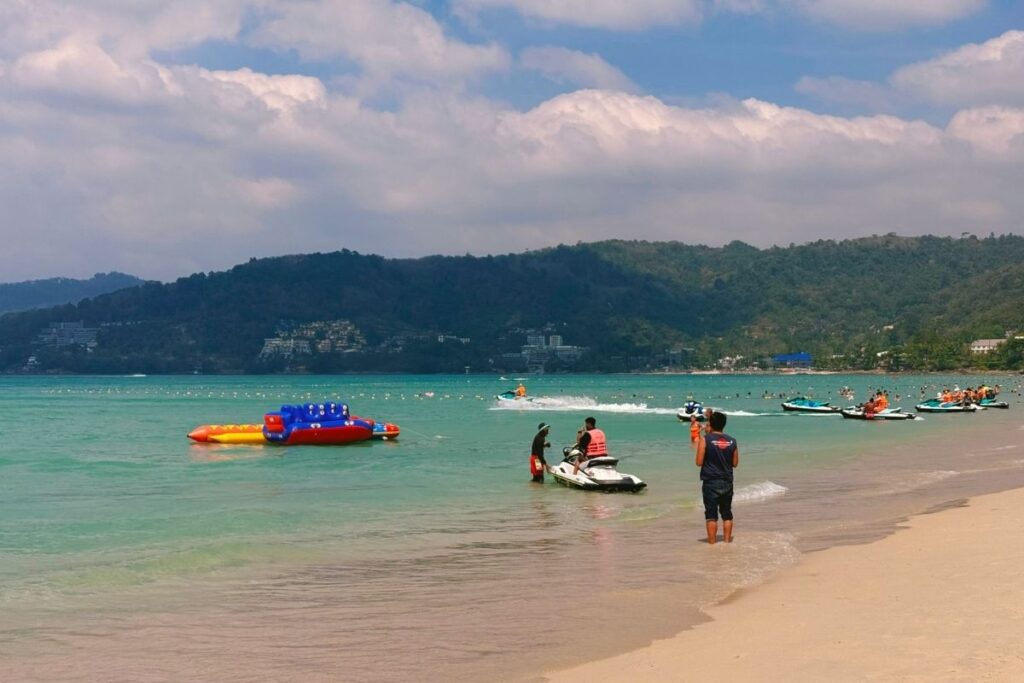
Best Time to visit Phuket Based on Travel Style
Beaches & Water Activities
Best months: December to March
This is the prime season for enjoying Phuket’s beaches and marine activities. During these months, seas are calm, water visibility is high, and rainfall is minimal. Conditions are ideal for swimming, kayaking, snorkeling, scuba diving, and island-hopping tours to destinations such as Phi Phi, Similan Islands, and James Bond Island. Boat trips run reliably, and beach conditions are at their best for sunbathing and coastal walks. Keep in mind that this is also peak tourist season, so popular beaches and tours can be busy, and advance booking is recommended.
Budget Travel
Best months: May to October
Travelers looking to save on accommodation and flights will find the best deals during the low (monsoon) season. Hotel prices often drop significantly, and airlines frequently offer promotions. While rainfall is more frequent, showers are often short and occur in the afternoon or evening, leaving time for sightseeing earlier in the day. Fewer crowds make attractions, restaurants, and beaches feel more relaxed. However, rougher seas can limit boat tours and some water activities, so flexible planning is helpful.
Festivals & Cultural Experiences
Best month: November
November is one of the most culturally rewarding times to visit Phuket. It marks the transition from the rainy season to the dry season and hosts Loy Krathong, one of Thailand’s most beautiful festivals. During this event, locals and visitors release decorated lanterns and floating offerings onto the water to symbolize letting go of misfortune. The island also features temple ceremonies, night markets, and traditional performances. This period offers a meaningful cultural experience along with improving weather conditions.
Diving & Snorkeling
Best months: November to April
Underwater conditions are at their best during the dry season, with clear visibility, calm currents, and consistent boat access to popular dive sites. This is the ideal time to explore coral reefs, marine life, and world-class diving areas such as the Similan and Surin Islands. Snorkelers will enjoy clearer waters close to shore and around offshore islands. These months are also the peak season for dive schools and tours, so early reservations are recommended for popular sites.
Surfing
Best months: May to October
Phuket’s surfing season coincides with the monsoon period, when steady swells create the best waves along the west coast. Beaches such as Kata, Kamala, and Surin attract surfers of all levels, from beginners to experienced riders. While swimming conditions may be less favorable due to stronger currents, this season offers a unique side of Phuket that appeals to adventure travelers. Surf schools, rentals, and competitions are most active during these months, making it the best time for wave-focused trips.
Tips for Booking Flights & Hotels
Peak Season Pricing (December-February)
Phuket’s peak season falls during the coolest, sunniest months of the year — making it the most desirable time to visit. This also means travel costs are at their highest.
- Highest hotel and flight prices of the year: Airfares and room rates can spike 30–70% above average, especially on weekends and holiday periods.
- Book early (2–4+ months ahead): To secure the best rates and preferred room types, book flights and hotels well in advance — especially for key travel windows like Christmas, New Year, and Chinese New Year (which may fall in January or February depending on the lunar calendar).
- Resorts and beachfront accommodations sell out quickly: Popular areas such as Patong, Kata, Karon, Bang Tao, and Surin fill up fast for peak season. Secure reservations early if you want sea views, family rooms, or specific amenities.
- Peak tourist weeks to avoid or plan around: Christmas to New Year, Chinese New Year, and national holidays often see near-full occupancy and limited availability.
Shoulder Season Advantages (November & April-May)
Shoulder months combine good weather with more affordable travel, offering a sweet spot for many travelers.
- Better value for money: Hotel rates and flight deals are generally lower than peak season but still higher than low season.
- Fewer crowds: Beaches, restaurants, and tours feel less crowded — ideal for travelers who want a balance of comfort and space without peak season congestion.
- Tours and activities still running: Most island-hopping tours, diving trips, water sports, and cultural excursions operate normally in these months, giving you full access to experiences without long waits or sold-out tours.
- Weather considerations: November may still have some passing showers as the wet season ends, but conditions improve quickly. April and May are hot — but typically dry enough for beach days before the monsoon fully sets in.
General Booking Tips for Phuket Travel
- Use fare calendars and price alerts: Tools like Google Flights, Skyscanner, and Hopper help you spot the best flight deals and price drops months in advance.
- Check cancellation policies: Flexible booking options (free cancellation / date changes) give you freedom if plans change or weather shifts.
- Bundle deals: Some airlines and hotels offer combo discounts or package promotions that include transfers, tours, or breakfast.
- Consider weekday check-in/out: Flights on Tuesday/Wednesday and hotel stays midweek are often cheaper than weekend travel.
- Local events and festivals: Prices can spike during local festivals (e.g., Loy Krathong in November), so check the calendar before finalizing dates.
Best Time to Visit Phuket Table Summary
| Travel Goal | Best Time | Weather & Sea Conditions | Crowds | Prices | Notes |
|---|---|---|---|---|---|
| Perfect Beach Weather | Dec-Mar | Dry, sunny, calm seas | High | High | Best for swimming, island hopping, snorkeling, diving |
| Best Overall Conditions | Dec-Feb | Coolest, driest, very clear water | Very high | Highest | Peak season; book early |
| Good Weather + Better Value | Nov, Apr-May | Mostly dry, some heat in Apr-May | Medium | Medium | Shoulder season with fewer crowds |
| Budget Travel | Jun-Oct | Frequent rain, rougher seas | Low | Low | Lowest hotel & flight prices |
| Diving & Snorkeling | Nov-Apr | Clear visibility, calm water | Medium-High | Medium-High | Best underwater conditions |
| Surfing | May-Oct | Monsoon swells, strong waves | Low | Low | Ideal for west coast surfing |
| Festivals & Culture | Nov | Improving weather | Medium | Medium | Loy Krathong celebrations |
| Fewer Crowds | May-Oct | Mixed weather | Low | Low | Quiet beaches, lush scenery |
What to Do When You Visit Phuket, No Matter the Season
Even if the sea is not ideal, you can still have a great trip when you visit Phuket:
- Take a thai cooking class and learn local flavors
- Explore Phuket Town for cafes, markets, and heritage streets
- Plan day trips to viewpoints and cultural sites
- Visit beaches like Kata Beach when conditions are calm
- Enjoy spa and resort time on rainy afternoons
- Shop seasonal events such as the Amazing Grand Sale depending on timing
For beach-focused trips, your itinerary can include stops like Patong Beach, plus boat days toward islands and bays when conditions allow.
Planning the best time to visit Phuket means understanding not just the weather, but how seasonal conditions affect everything you want to experience on the island — from iconic beaches and water adventures to cultural discoveries and local insights. On this page, we break down Phuket’s seasons month by month so you can choose the ideal travel window based on your interests, whether you’re chasing sunshine and calm seas or seeking the best deals and lush scenery. As you explore, be sure to check out our Things to Do in Phuket for curated experiences like island hopping, snorkeling, diving, and unique attractions around Phuket, and visit our Guide section for practical travel tips on transportation, food, neighborhoods, and planning your itinerary. Together, these resources help you decide not only when to go — but what to do once you’re here.
FAQs – Best time to visit Phuket?
What are Phuket’s main seasons?
Phuket has three main seasons:
- Cool/Dry Season (November to February): Peak tourist season with the most pleasant weather, low humidity, and calm, clear seas.
- Hot Season (March to May): Very high temperatures and humidity, with occasional afternoon showers.
- Monsoon/Rainy Season (June to October): Fewer tourists, lower prices, lush green landscapes, but more frequent rain (usually short bursts) and rougher seas.
When is the absolute best weather?
The period from December to March offers the most consistently sunny and dry conditions, ideal for all outdoor and water activities like snorkeling and island hopping.
What can I expect during the rainy season?
Expect short, heavy downpours, often in the late afternoon or evening, interspersed with plenty of sunshine. It rarely rains all day. The seas can be rough, and swimmers should exercise caution due to strong currents. This season is great for budget travel, fewer crowds, surfing on the west coast, and enjoying lush inland scenery.
When are prices highest and lowest?
Prices for flights and accommodation are highest during the peak dry season, particularly from December to February. The lowest prices can be found during the monsoon season, from June to September.
Which months should I avoid if I want to guarantee sun?
September and early October are generally the wettest months with the highest rainfall, so those seeking guaranteed sunshine might want to avoid this period.
What are some key events/festivals by season?
- High Season: Loy Krathong (November), Christmas and New Year’s celebrations (December), Chinese New Year (January/February).
- Hot Season: Songkran (Thai New Year water festival) in April.
- Low Season: Phuket Vegetarian Festival in October.
Do flight prices change by season?
Yes, flight fares tend to be higher during the high season. Booking several months in advance is recommended during peak times.