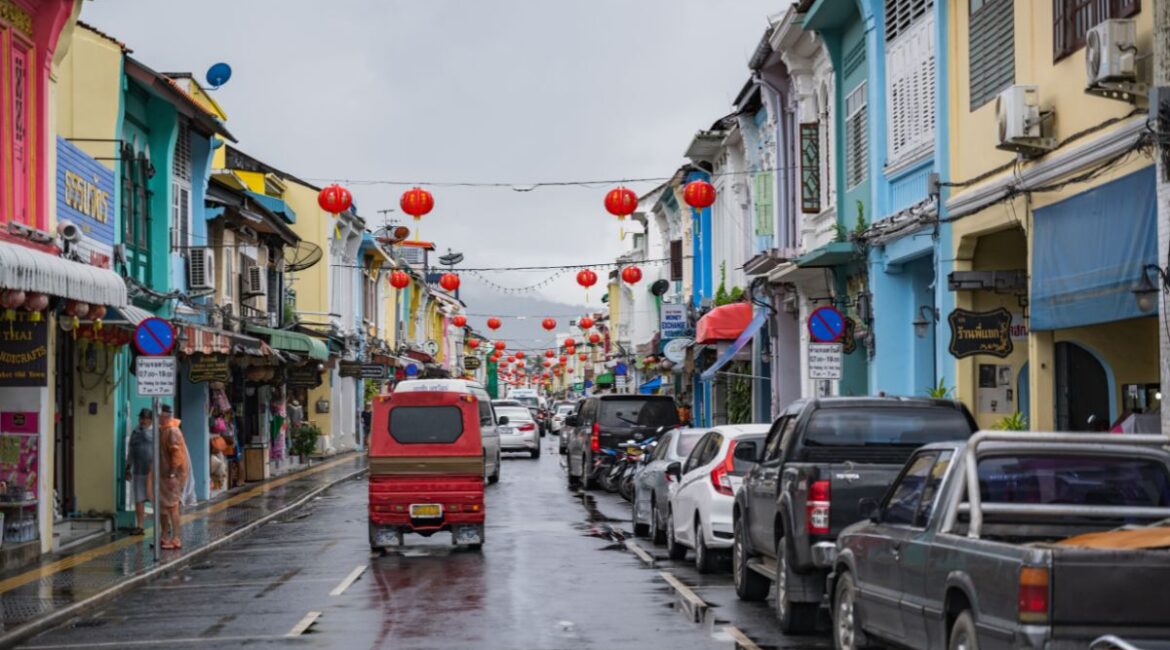
Getting around Phuket feels less like city commuting and more like island exploring. This is not a place you cross in minutes. Beaches, hilltop viewpoints, beach towns, and hidden coves are spread across the island, and even short-looking distances can turn into scenic journeys thanks to winding coastal roads, traffic hotspots, and busy resort zones.
In 2026, the adventure is still driven by the road. Phuket travel depends heavily on taxis, ride-hailing apps, rentals, and hotel transfers rather than public transport. Choosing the right way to move makes all the difference, especially when hopping between beaches, arriving from the airport, heading out at night, or setting off on day trips to explore the island’s quieter corners.
This guide maps out every practical option so you can roam Phuket freely, travel smart, and focus on the journey as much as the destination, without wasting time or paying more than you should.
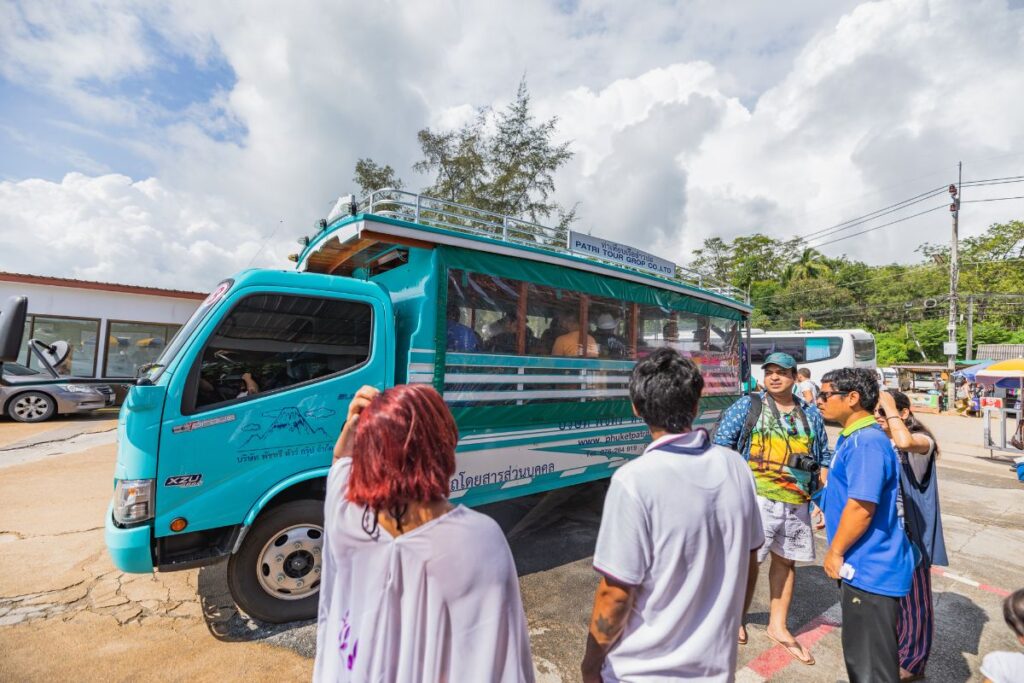
1. Taxis & Ride-Hailing Apps: Most Convenient Option
Best overall choice for comfort, flexibility, and simplicity
For most travelers, taxis and ride-hailing apps are the easiest way to get around Phuket, especially if you are unfamiliar with local roads or traveling with luggage.
1.1 Ride-Hailing Apps in Phuket
Ride-hailing has become the most reliable transport option on the island.
Grab
- Most widely used and accepted
- Reliable coverage across beaches, towns, and resorts
- Fixed prices reduce negotiation stress
Bolt & inDrive
- Often 10-30% cheaper than Grab
- Prices vary by time of day and availability
- Good alternatives for budget-conscious travelers
Why ride-hailing works well in Phuket
- Clear pricing before you ride
- No language barrier or bargaining
- Easy pickup at hotels, malls, and beaches
Best for
- Transfers between beaches
- Dining and nightlife trips
- First-time visitors
- Travelers without a rental vehicle
1.2 Local Taxis & Airport Transfers
Phuket taxis are generally more expensive than Bangkok, especially in tourist zones.
- Airport taxis use fixed-rate pricing
- Beach-to-beach taxi rides can be costly
- Prices vary by area and time of day
Why airport transfers are often better pre-booked
- Fixed price with no surprises
- Guaranteed vehicle size for luggage
- Faster pickup during peak arrival times
When taxis still make sense
- Late-night returns
- Groups splitting the cost
- Travelers with large luggage
2. Renting a Car or Motorbike: Maximum Freedom
Best for confident travelers planning to explore widely
If you plan to visit multiple beaches, viewpoints, or less touristy areas, renting a vehicle offers the most independence.
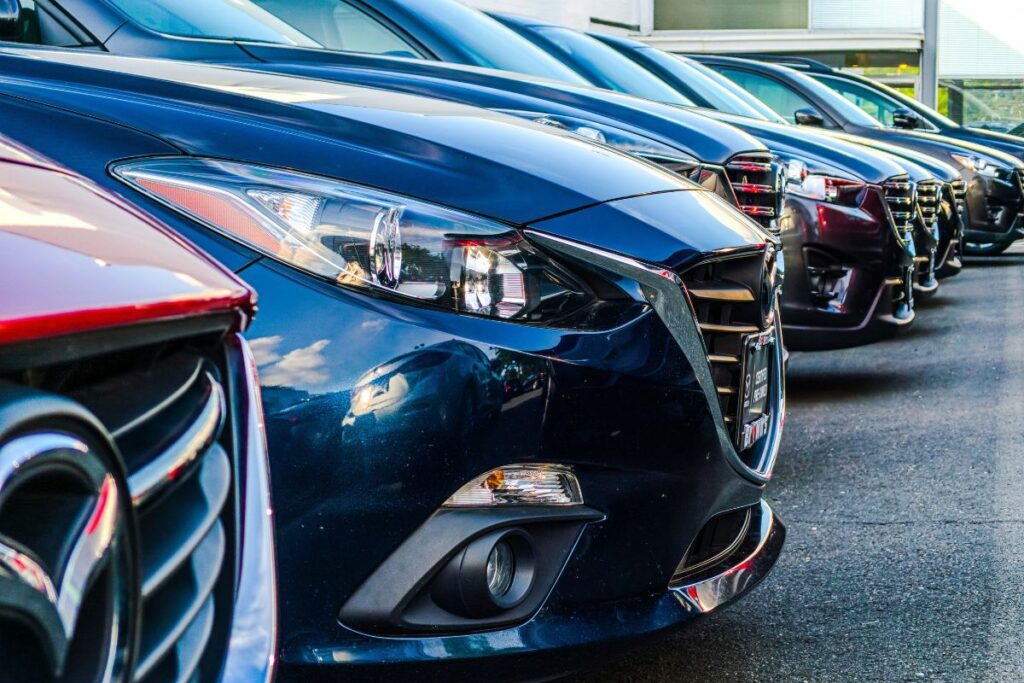
2.1 Car Rental in Phuket
Car rentals are popular with families and groups.
Why renting a car works
- Easy access to remote beaches and viewpoints
- Comfortable for long distances
- Air-conditioned travel in hot weather
Parking
- Available at most beaches and attractions
- Shopping malls and resorts usually offer parking
Important considerations
- Traffic congestion in Patong, Kata, and Old Town
- Narrow roads and steep hills in some areas
- Navigation apps are essential
Best for
- Families
- Groups of friends
- Longer stays (4+ days)

2.2 Motorbike Rental (Popular but Risky)
Motorbikes are the most common local transport choice, but they come with real risks.
Why people choose motorbikes
- Cheap and easy to rent
- Fast for short distances
- Easy parking
Safety & legal notes
- International Driving Permit is required
- Helmets are legally mandatory
- Accident rates are high, especially for tourists
- Many travel insurance policies do not cover motorbike accidents
Best for
- Experienced riders only
- Short, familiar routes
- Solo travelers comfortable with traffic
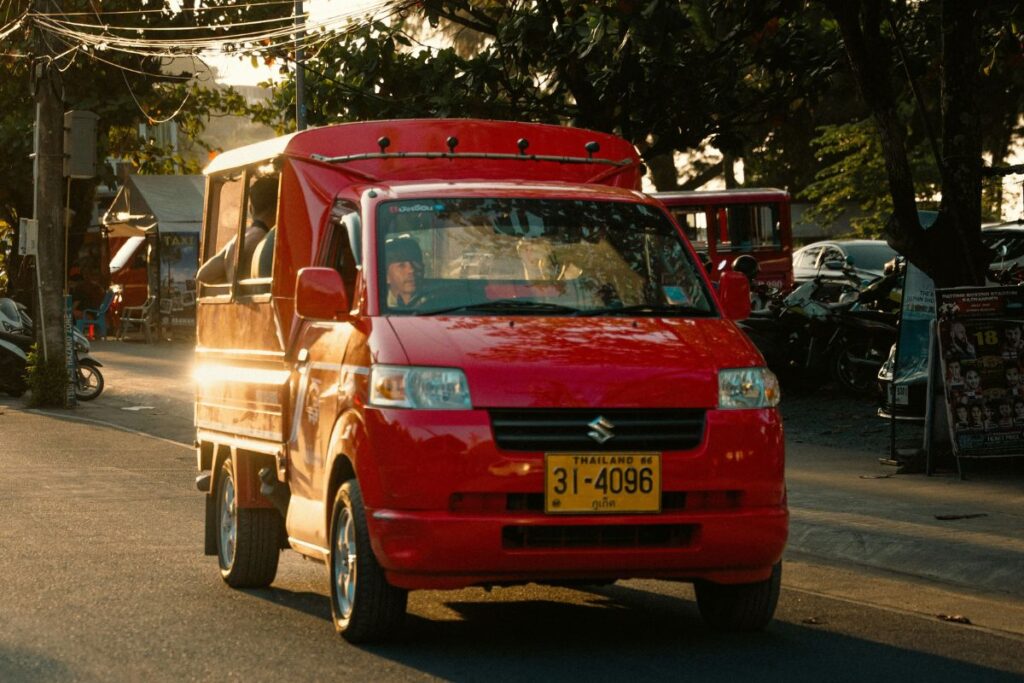
3. Songthaews & Local Buses: Budget-Friendly but Limited
Cheapest option, but least flexible
Public transport exists in Phuket, but it is limited compared to cities.
3.1 Blue Songthaews (Local Shared Trucks)
Blue songthaews are shared, open-air trucks that operate on fixed routes between Phuket Town and several major beaches. They are one of the cheapest transport options on the island but come with limited flexibility.
- Run only on set routes linking Phuket Town with beaches such as Patong, Karon, and Kata
- No direct beach-to-beach connections, often requiring a return trip to Phuket Town
- Slow travel times due to frequent stops for passengers
- Limited evening service, with many routes ending earlier than tourists expect
- No fixed timetable, which can make planning unpredictable
Best for
- Budget-focused travelers looking to minimize transport costs
- Simple, one-way trips between Phuket Town and a single beach
- Travelers with flexible schedules who are not rushing between activities
3.2 Phuket Smart Bus
The Phuket Smart Bus is a modern, air-conditioned bus service running along the island’s west coast and is the most tourist-friendly public transport option available.
- Connects Phuket International Airport with major beach areas
- Stops at popular locations including Patong, Karon, Kata, Kamala, and Surin
- Flat, affordable fares that remove the need for price negotiation
- Comfortable seating and luggage space compared to songthaews
Limitations
- Slower than taxis or ride-hailing apps due to multiple stops
- Operates on fixed schedules, limiting spontaneity
- Not suitable for late-night travel or travelers with tight time plans
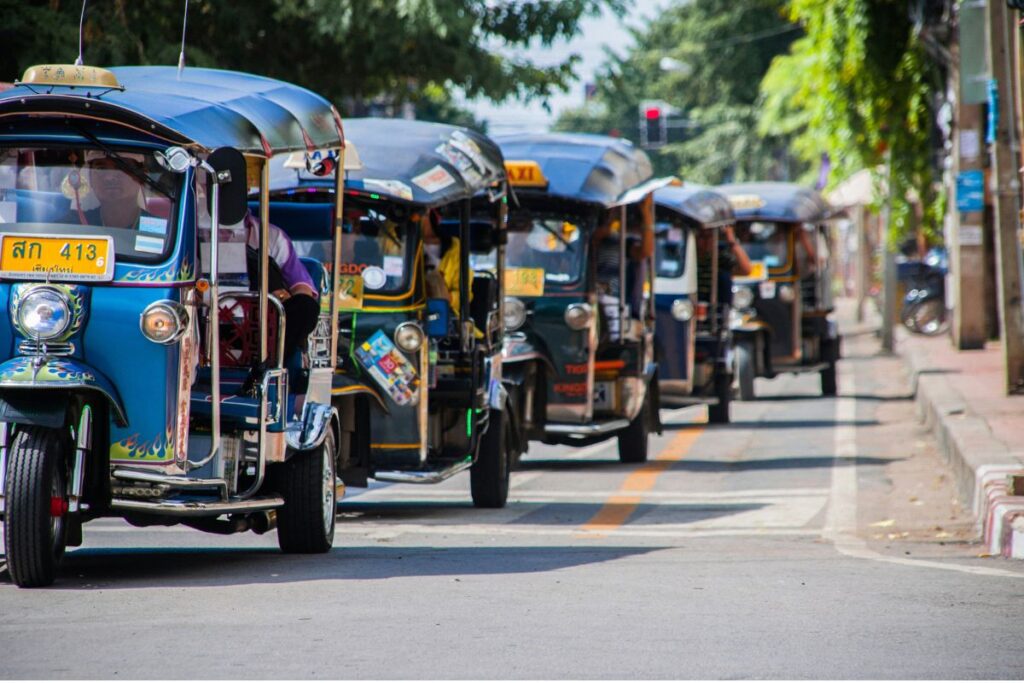
4. Tuk-Tuks & Local Transport Options
Tuk-tuks are one of Phuket’s most recognizable transport symbols, but they are rarely the most practical or affordable way to get around. While they add a local flavor to short journeys, they are best seen as an experience rather than a cost-effective transport solution.
4.1 Phuket Tuk-Tuks
Phuket tuk-tuks are typically red, boxy vehicles that operate on fixed prices rather than meters. Unlike Bangkok, where tuk-tuks are sometimes cheap for short hops, Phuket tuk-tuks are often more expensive than taxis or ride-hailing apps, especially in tourist-heavy areas.
- Fixed prices with no meters, meaning fares must be agreed upon in advance
- Prices are frequently higher than Grab, Bolt, or inDrive for the same distance
- Best suited for very short trips, such as between nearby beaches, hotels, or nightlife areas
- Limited comfort, especially in hot weather or during heavy traffic
Best treated as
- A novelty experience for first-time visitors who want a quick local ride
- A last-resort option when ride-hailing apps are unavailable or network coverage is poor
For most travelers in 2026, tuk-tuks are best enjoyed once for the experience, then replaced with more predictable transport options for regular travel.

5. Boats & Ferries: Essential for Island Hopping
The only way to reach nearby islands
5.1 Island Transfers by Boat
Boats and ferries connect Phuket to nearby islands such as Phi Phi and Coral Island.
- Speedboats: Faster, more expensive, bumpier ride
- Ferries: Slower, cheaper, more stable
Things to consider
- Weather affects schedules
- Seasickness is common
- Morning departures are usually calmer
Practical Tips for Getting Around Phuket in 2026
Getting around Phuket smoothly requires more planning than in compact cities, especially during peak tourist periods. Traffic, weather, and payment methods all play a role in how efficiently you move around the island.
1. Traffic & Timing
Traffic conditions in Phuket can change dramatically depending on the time of day and location. Even short trips can take much longer than expected during busy periods.
- Heavy congestion is common around Patong in the late afternoon and evening, particularly near Bangla Road and surrounding nightlife areas
- Airport access roads become crowded on weekends, public holidays, and peak arrival or departure times
- Travel times can easily double during rush hours, especially between beaches and town areas
- Planning travel outside peak periods saves significant time and reduces stress
Whenever possible, schedule longer journeys early in the morning or later at night, and avoid moving between major areas during peak dinner and nightlife hours.
2. Essential Apps
Using the right apps can greatly improve your travel experience in Phuket by helping you avoid traffic, compare prices, and stay informed.
- Google Maps is essential for navigation, estimating travel time, and monitoring live traffic conditions
- Grab, Bolt, and inDrive allow easy price comparison and help avoid overpaying for taxis
- Local weather apps are important for checking sea conditions before boat trips or island hopping tours
Having these apps ready makes it easier to adjust plans quickly when traffic or weather changes.
3. Payment Tips
Payment methods in Phuket vary depending on the type of transport you use, so being prepared helps avoid delays or confusion.
- Cash is still widely required for songthaews, tuk-tuks, and small local taxis
- Ride-hailing apps accept both cash and cards, offering flexibility for travelers
- ATMs are easy to find across the island, but withdrawal fees usually apply
- Carrying small bills is especially useful for short rides and local transport options.
There is no single “best” way to get around Phuket, because the right choice depends on how you plan to experience the island. For most travelers, ride-hailing apps paired with occasional car or motorbike rentals offer the best balance of convenience, flexibility, and cost. Confident drivers gain the most freedom from rentals, while budget travelers can rely on buses and songthaews if they are willing to move at a slower pace.
The smartest way to plan transport is to match it with your activities and travel style. If your plans include beach hopping, nightlife, and island tours, transport choices matter just as much as knowing the things to do in Phuket, building a realistic Phuket itinerary, and choosing the best time to visit Phuket. When transport, timing, and activities work together, getting around Phuket becomes part of the adventure rather than a challenge in 2026.
FAQs of Best Way to Get Around Phuket
The best way to get around Phuket is by using ride-hailing apps like Grab, Bolt, or inDrive. They offer fixed pricing, convenience, and flexibility across the island.
Public transport in Phuket is limited. Songthaews and buses are cheap but slow and inflexible, making them better for budget travelers with flexible schedules.
Yes, taxis in Phuket are generally more expensive than in Bangkok. Ride-hailing apps are usually cheaper and more transparent.
Yes. Grab is the most reliable, while Bolt and inDrive often offer lower prices. Availability is good in tourist areas.
Renting a car is ideal for families, groups, or travelers planning to explore remote beaches and viewpoints. Confidence in driving is important.
Motorbike rentals are common but risky. An international driving permit is required, and accident rates are high. Insurance coverage is often limited.
Ride-hailing apps, pre-booked airport transfers, taxis, and the Phuket Smart Bus are all available. Transfers are recommended for convenience.
Songthaews and the Phuket Smart Bus are the cheapest options, but they are slow and have limited routes.
Phuket tuk-tuks are iconic but expensive. They are best used for short trips or as a novelty experience.
Traffic can be heavy, especially around Patong in the evening and on routes to the airport during weekends and holidays.
Yes, but planning is required. Ride-hailing apps make it manageable, though travel times can be longer.
Ride-hailing apps accept cards, but cash is still needed for songthaews, tuk-tuks, and small taxis.
Google Maps for navigation, Grab/Bolt/inDrive for transport, and weather apps for sea conditions are essential.