Phuket packs more water activities into one island than most countries manage across an entire coastline. Whether you’re after high-adrenaline jet ski tours, a first-time scuba dive, a lazy snorkelling day trip to the Phi Phi Islands, or a full-on water park session, it’s all here — and most of it is within 30 minutes of your hotel. This guide covers every water activity worth doing in Phuket, with pier names, price context, seasonal tips, and the practical details that other guides skip.
Beach Water Sports in Phuket — Which Beach for Which Activity
Water sports in Phuket aren’t spread evenly across the island. The activity density, operator quality, and vibe vary significantly by beach — knowing where to go for what saves you a wasted taxi ride.
Patong Beach (หาดป่าตอง) — High-Action Hub
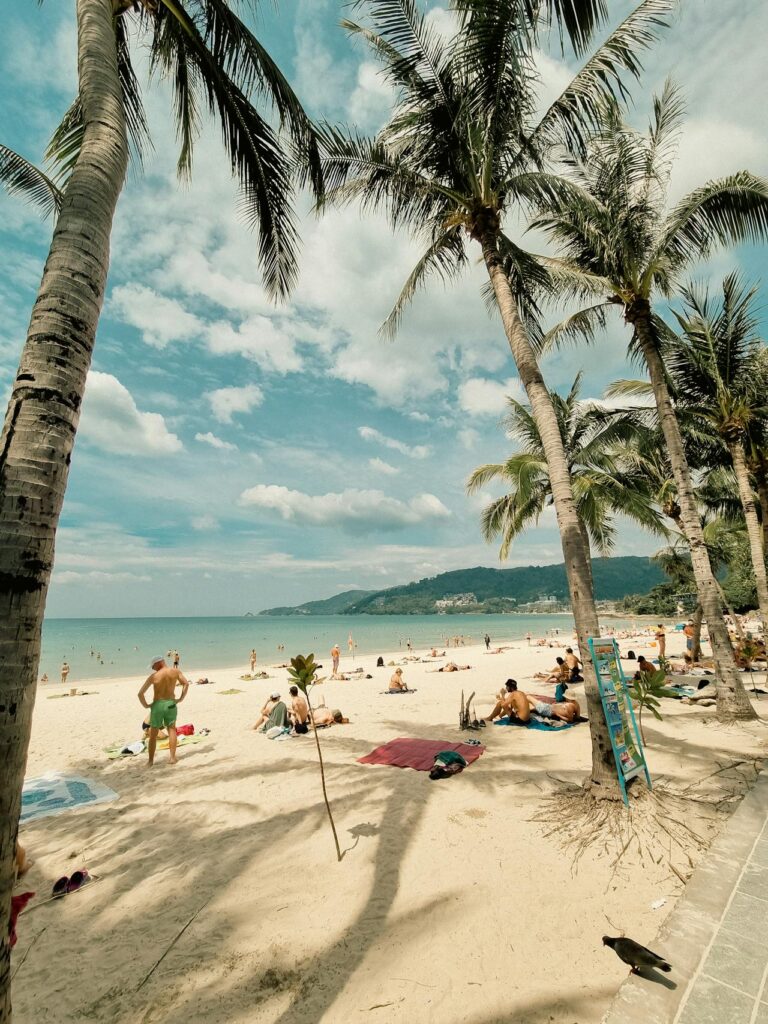
Patong is where you come for maximum variety and zero ambiguity. Flyboarding, parasailing, jetsurfing, and jet ski tours are all available directly off the beach, with operators lined up along the shoreline from mid-morning.
Phuket Watersports at Patong is one of the most visible operators for high-action activities including flyboarding and parasailing. Phuket flyboard sessions typically run THB 2,000–3,000 for 20–30 minutes, with parasailing at around THB 800–1,500 depending on altitude and solo vs. tandem.
Jet skiing at Patong runs roughly THB 1,500–2,000 for 30 minutes — but read the safety tips section below before you book. Banana boat rides and “sofa” rides (towed inflatable platforms for groups) are the more relaxed end of the spectrum, running around THB 600–800 per person in high season.
Kata & Karon Beaches (หาดกะตะ / หาดกะรน) — Mid-Range & Surf
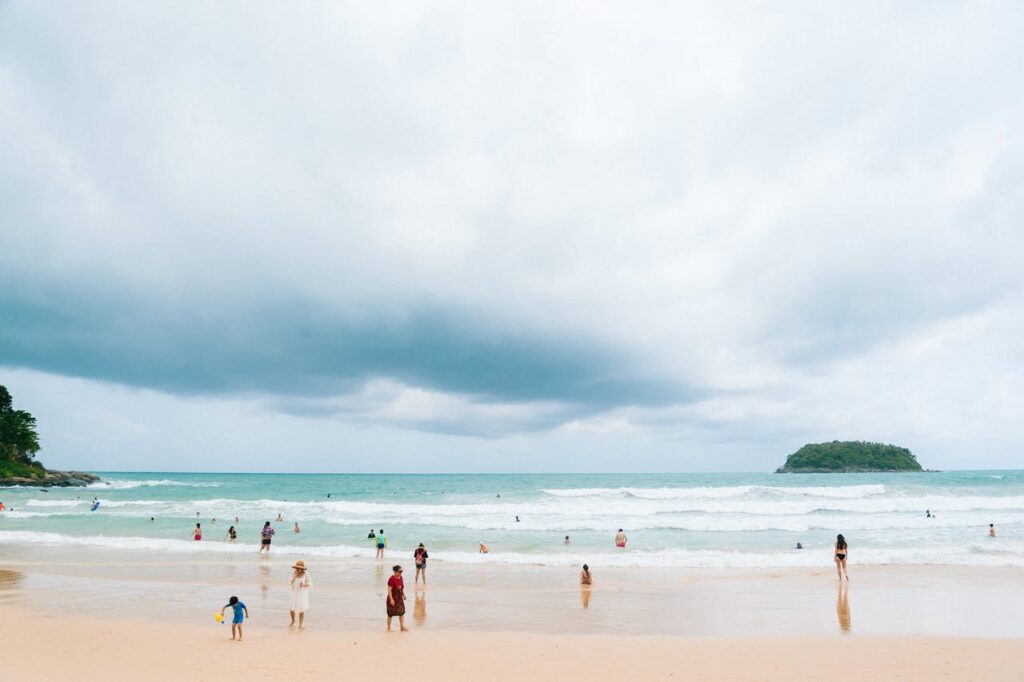
Kata and Karon offer a calmer operator environment than Patong with a solid range of water sports in Phuket — jet skis, parasailing, banana boats — but at lower pressure and generally better value. For a full breakdown of what’s on offer, see our Karon Beach guide and things to do in Karon Beach.
Kata Beach also benefits from good surf during monsoon season (May–October), when the Andaman swell picks up on Phuket’s west coast. It’s a workable beginner-to-intermediate surf beach with board rental and lessons available locally.
Bang Tao Beach (หาดบางเทา) — Surf School Hub
Surfing in Phuket is most viable between May and October, when the southwest monsoon generates consistent swell along the west coast. Several surf schools operate along Bang Tao Beach — expect to pay around THB 800–1,500 for a 1.5–2 hour beginner lesson including board and rash guard.
Outside surf season, Bang Tao is calmer and better suited to paddleboarding and kayaking along the beach. For the best time to visit this stretch of coast, see our Kamala Beach timing guide — the seasonal patterns are similar across northern Phuket beaches.
Island Hopping from Phuket — Routes, Piers & What to Expect
Phuket’s real strength as a water destination isn’t the beaches themselves — it’s the access they give you to some of Thailand’s best marine parks and islands. Most day trips depart from one of two main piers.
Departure Pier Quick Reference:
| Destination | Departure Pier | Journey Time | Best For |
| Phi Phi Islands | Rassada Pier (ท่าเรือรัษฎา) | 45–60 min | Snorkelling & Lagoons |
| Phang Nga Bay | Ao Por Pier (ท่าเรืออ่าวป้อ) | ~45 min | Caves & Sightseeing |
| Racha Islands | Chalong Pier (ท่าเรือฉลอง) | 30–45 min | Diving & Clear Water |
| Coral Island | Chalong Pier (ท่าเรือฉลอง) | ~25 min | Half-day, Families |
| Similan Islands | Thap Lamu Pier (ท่าเรือทับละมุ), Khao Lak | 1.5–2.5 hr | Diving & Snorkelling |
Phi Phi Islands (เกาะพีพี) — Maya Bay & Pileh Lagoon
Phi Phi is the most-visited island day trip from Phuket, and for good reason — the combination of Maya Bay (หาดมาหยา), Pileh Lagoon (ทะเลใน), and Viking Cave (ถ้ำไวกิ้ง) in a single day is hard to match anywhere in Thailand.
Most speedboat group tours from Rassada Pier (ท่าเรือรัษฎา) cost THB 1,200–1,800 per person and include snorkelling stops, a beach break at Maya Bay, and lunch. Private speedboat charters give you full control over timing and crowd avoidance — fuel costs in 2026 mean most operators set minimums from THB 12,000 for a full-day private boat.
The crowds at Maya Bay are real. First departure boats typically leave around 7:30–8:00 AM and arrive before the tour group rush — you’ll have the lagoon mostly to yourselves for 30–45 minutes. If you’re going to Phi Phi, go early. Compare options before you book — see our Phi Phi vs James Bond Island breakdown for a clear head-to-head on which trip suits your priorities.
Phang Nga Bay (อ่าวพังงา) — Sea Caves & James Bond Island
James Bond Island (เกาะตะปู) is the reason most people book a Phang Nga tour. Set expectations accordingly — it’s a small limestone pinnacle, it’s busy, and the real highlights of the bay are elsewhere.
Sea canoeing through the hongs (hidden cave lagoons) at Panak Island (เกาะพนัก) and Hong Island (เกาะห้อง) is the part of Phang Nga Bay that genuinely impresses. Narrow cave passages open into enclosed lagoons with limestone walls and wildlife overhead — no photograph does it justice. Most full-day Phang Nga tours include this. Budget tours typically depart from Ao Por Pier (ท่าเรืออ่าวป้อ); higher-end operators have largely shifted to Ao Po Grand Marina for a smoother boarding experience.
Similan Islands (หมู่เกาะสิมิลัน) — Best Visibility in Thailand
The Similan Islands are widely regarded as Thailand’s top snorkelling and diving destination, but they’re seasonal. The national park is open October to May only and closes entirely June to September for reef recovery.
Getting there from Phuket requires a drive north to Thap Lamu Pier (ท่าเรือทับละมุ) in Khao Lak — allow 1.5–2 hours in normal traffic, and up to 2.5 hours during peak season mornings. Most operators recommend leaving Phuket by 5:30–6:00 AM. Day trips are available, though a liveaboard (overnight) gives you pre-dawn dives when visibility and marine life are at their peak.
Racha & Coral Islands — Best for First-Timers & Half-Days
Racha Yai (ราชาใหญ่) is the go-to island for beginner snorkelling and first-time scuba diving from Phuket. The bays are shallow, sheltered, and clear — perfect for anyone who’s never had a mask on before. Departures from Chalong Pier (ท่าเรือฉลอง) take around 30–45 minutes by speedboat.
Coral Island (เกาะเฮ / Ko Hae) is the closest major island to Phuket — under 30 minutes from Chalong — making it the natural choice for a half-day trip or a family beach day with some snorkelling. Don’t expect Similan-level marine life, but the beach is clean and the logistics are simple.
If you’re also on the island for Songkran, some of Phuket’s best water-based celebrations happen near the coast — see our guide to Songkran activities in Phuket for what to expect.
Scuba Diving in Phuket — From First Dive to Certification
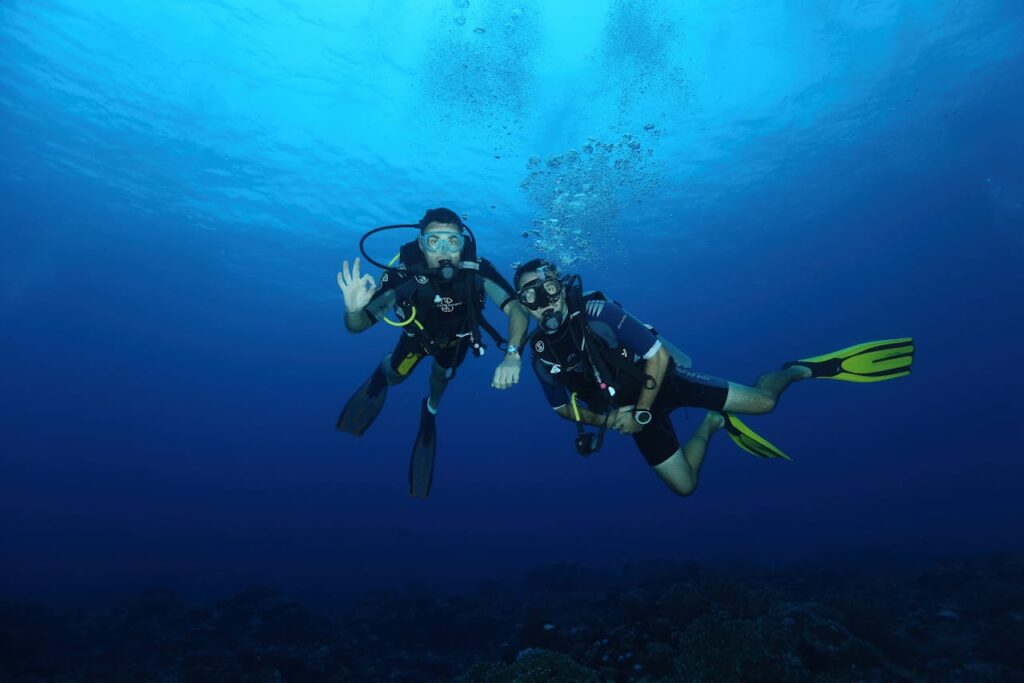
Phuket is one of Southeast Asia’s best entry points for scuba diving — warm water year-round, excellent visibility at the top sites, a high density of certified operators, and dive sites accessible by speedboat within an hour. You don’t need any experience to try it.
Try Diving — Discover Scuba Diving (DSD)
A Discover Scuba Diving program is a one-day introduction that requires no prior certification. You’ll cover basic skills (clearing your mask, equalising pressure, emergency signals) in shallow water first, then complete 2–3 actual ocean dives with an instructor who stays with you throughout.
Prices typically run THB 3,500–5,500 per person, usually including equipment, boat, and transfers. It’s the best way to know whether you want to invest in a full certification before committing the time and money.
Get Certified — PADI & SSI Open Water
A full Open Water certification takes three days and qualifies you to dive independently to 18 metres worldwide. Both PADI and SSI certifications are equally valid and equally recognised — the choice comes down to which operator you prefer.
The course structure is: theory and pool skills (Day 1), confined water practice (Day 1–2), then four open water certification dives (Day 2–3). Costs in Phuket currently range from THB 14,500–18,500 including all equipment, boat dives, certification fee, and national park fees.
When choosing a Phuket dive operator, verify their PADI or SSI affiliation number is displayed on their signage and website, and inspect equipment condition before committing.
Best Beginner Dive Sites Near Phuket
- Racha Yai (ราชาใหญ่): The primary beginner site — multiple sheltered bays, depths of 5–18 metres, good visibility, abundant reef fish. Used by almost all Phuket dive operators for DSD and Open Water certification dives.
- Racha Noi (ราชาน้อย): Slightly more advanced, better suited to certified divers. Known for strong marine life diversity and occasional manta ray sightings between December and April.
- Shark Point (แหลมตุ๊กแก) and Anemone Reef: Leopard sharks resting on the seabed, moray eels, sea turtles. A strong intermediate dive site within an hour of Chalong Pier.
Water Parks in Phuket — Full Guide
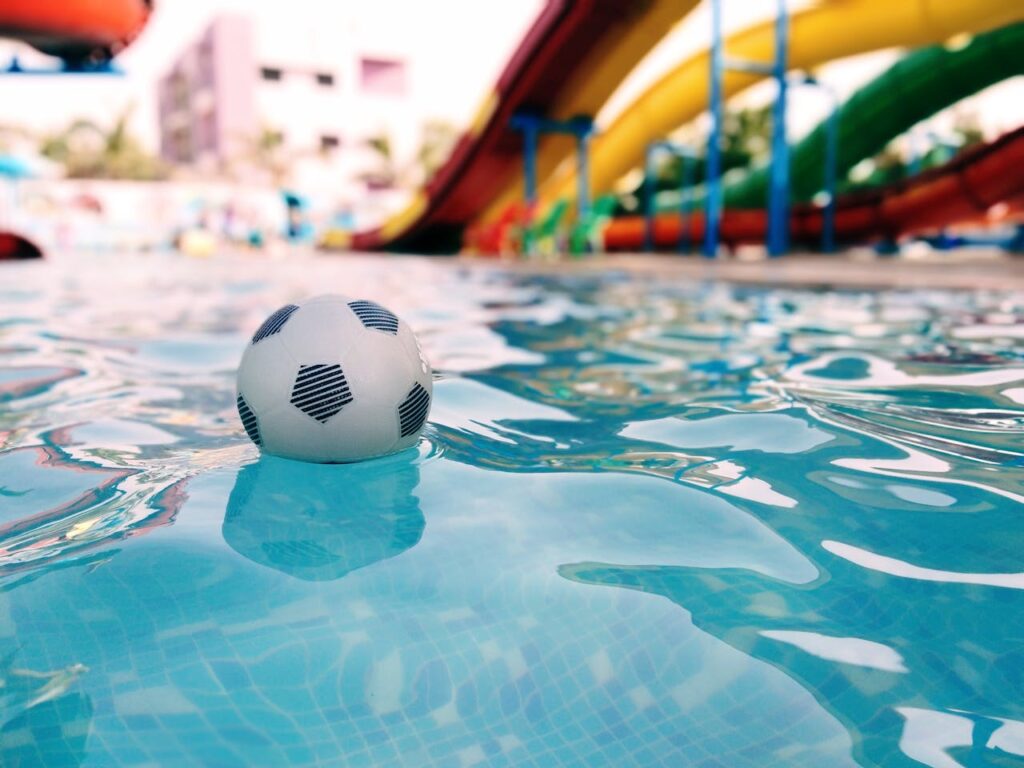
Phuket’s water park scene has expanded significantly in recent years, moving well beyond the original Splash Jungle format. The island now has multiple distinct options catering to different visitor types. For the full breakdown, visit our dedicated Phuket water park guide.
Andamanda Phuket — Flagship Water Theme Park
Andamanda is Phuket’s largest and most-visited water park, built around Thai mythological themes. The park features a 3-metre artificial wave pool, a lazy river, and dedicated kids’ zones alongside its full ride lineup.
It’s located in the Kathu district, roughly 20–30 minutes from Patong by car. Entry tickets run approximately THB 1,200–1,700 for adults and THB 800–1,200 for children, with combo packages available. Best suited to families and groups — a full day here is realistic.
Searching for the best water park in Phuket? Andamanda is the most comprehensive option for rides and facilities, while the options below cater to different needs.
Splash Jungle Water Park Phuket — Airport-Area Option
Splash Jungle Water Park Phuket is located near Mai Khao Beach (หาดไม้ขาว) in the north of the island — convenient if you’re staying near Phuket Airport or in the Laguna area. It’s a solid mid-size park with wave pools, slides, and family attractions, though smaller in scale than Andamanda.
Commonly referred to as both Splash Jungle and Splash Phuket water park, ticket prices sit in the THB 800–1,500 range. The setting — adjacent to a beach — is a bonus if you want to combine park time with sea swimming.
Blue Tree Phuket — Lifestyle Aquapark
Blue Tree Phuket water park is a different concept from the traditional theme park format. It combines an aqua park (inflatable obstacle courses and slides on water) with beach clubs, a lagoon, restaurants, and event spaces — making it as much a social venue as an activity destination.
The aquapark element is ideal for teenagers and adults who find traditional water parks slow. Blue Tree is located in Bang Tao and entry to the aquapark zone runs THB 500–900 with optional day passes for the full complex.
Phuket aquapark options — whether you mean Andamanda, Blue Tree, or Splash Jungle — serve very different use cases. Families with young kids: Andamanda or Splash Jungle. Teens and adults wanting something more active and social: Blue Tree.
Phuket Water Ski Cableway — Wakeboarding Without a Boat
For wakeboarding in Phuket without the cost of a boat charter, the Phuket water ski cable way (or cable wakeboard park) uses an overhead cable system to tow riders around a circuit on a lagoon. It’s a significantly cheaper way to learn wakeboarding or water skiing than boat-based sessions — typically THB 400–800 per session.
Unique Water Experiences Worth Knowing About
YONA Floating Beach Club — Adults-Only Sea Oasis
YONA is a multi-level floating structure anchored offshore — not quite a boat, not quite an island. It has a pool, sun decks, a DJ, private cabanas, and food and beverage service. The experience is designed for adults who want something beyond a beach day without a structured activity.
YONA moves seasonally — anchored near Patong during high season and near Royal Phuket Marina during the monsoon months. Check their current location and reservation requirements before booking, as it books out on weekends.
Deep Sea Fishing in Phuket
Deep sea fishing in Phuket Thailand is a half-day or full-day charter activity operating year-round, with the best conditions typically from November to April. Catches vary by season but commonly include barracuda, tuna, mackerel, and sailfish.
Charters depart from Chalong Pier (ท่าเรือฉลอง) and range from budget group boats (THB 1,500–2,500 per person) to private sport fishing charters (THB 8,000–20,000+ for a half-day). Most operators provide all equipment, bait, and a crew.
Bioluminescent Kayaking — Phang Nga Bay After Dark
Some tour operators run evening kayaking tours into Phang Nga Bay timed around plankton bioluminescence — the phenomenon where disturbed water glows blue-green at night. The effect is most visible on darker, new moon nights and depends on seasonal plankton conditions.
It combines sea canoeing through cave systems with the after-dark light show — an unusual combination that’s genuinely unlike anything else on offer in Phuket. Check current licensing and night entry permissions for the hongs before booking, as regulations in Phang Nga Bay are subject to change.
White Water Rafting Near Phuket
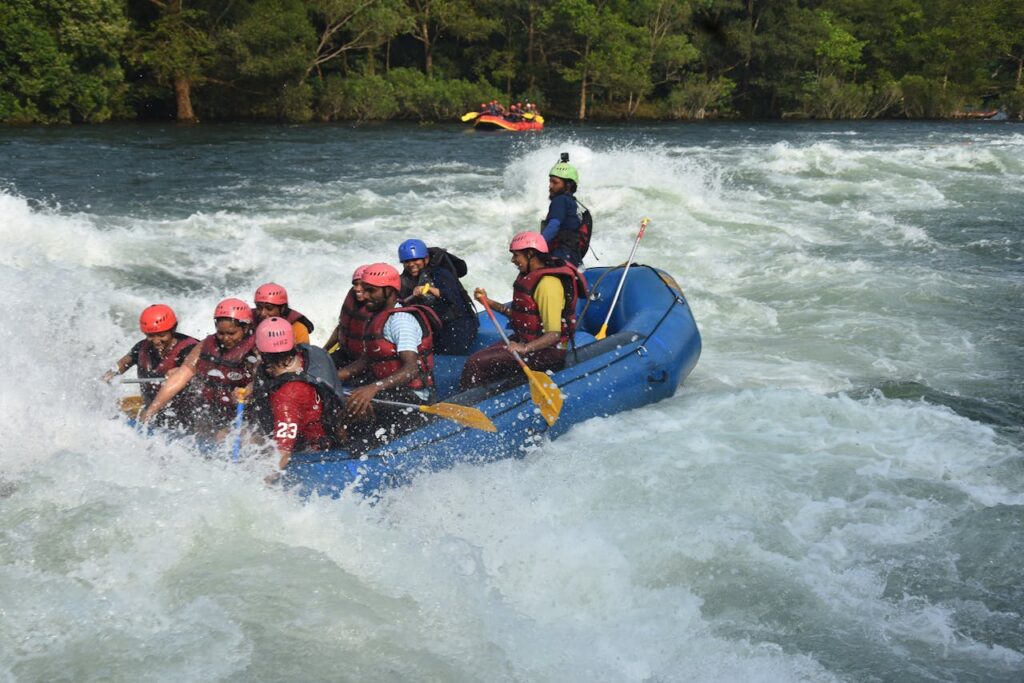
White water rafting Phuket is technically a day-trip activity rather than an in-Phuket experience — there are no major rivers on the island itself suitable for rafting. The nearest options are in Phang Nga Province and require roughly a 1–1.5 hour drive from central Phuket.
River rafting Phuket options typically run on Phang Nga rivers during the wet season (May–October) when water levels are sufficient. Packages usually combine rafting with ATV rides or zip-lining and cost THB 1,200–2,500 per person. White water rafting Thailand Phuket packages sold through hotels are typically more expensive than booking directly with local operators — verify that any booking includes transport from Phuket, equipment, a licensed guide, and insurance cover.
When to Do Each Water Activity — Seasonal Guide
Phuket’s two-season year (dry: November–April; wet: May–October) directly determines what’s available and safe. This is the single most important planning variable most travellers overlook.
| Activity | Best Season | Notes |
| Snorkelling — Phi Phi, Racha | Nov–Apr | Calm seas, best visibility |
| Scuba Diving — local sites | Year-round | Visibility best Nov–Apr |
| Similan Islands snorkelling/diving | Oct–May | Park fully closed Jun–Sep |
| Surfing Phuket | May–Oct | Monsoon swell, west coast beaches |
| Flyboarding / Jet ski | Nov–Apr | Rough sea closures possible May–Oct |
| Island Hopping — speedboat | Nov–Apr | Cancellations common May–Oct |
| Sea kayaking — Phang Nga | Year-round | Nov–Apr preferred, calmer water |
| White water rafting near Phuket | May–Oct | River levels highest in wet season |
| Bioluminescent kayaking | New moon nights | Plankton-dependent |
| Andamanda / Splash Jungle | Year-round | Outdoor sections best Nov–Apr |
| Blue Tree Phuket aquapark | Year-round | Best weather Nov–Apr |
| Deep sea fishing Phuket | Year-round | Nov–Apr best for calm conditions |
How Much Do Water Activities in Phuket Cost?
| Activity | Budget / Group | Private / Premium |
| Jet ski Phuket (30 min) | THB 1,500–2,000 | — |
| Jet ski tour Phuket (island route) | THB 2,500–4,000 | Charter available |
| Banana boat Phuket | THB 600–800 pp | — |
| Parasailing Phuket | THB 800–1,500 | — |
| Phuket flyboard (20–30 min) | THB 2,000–3,000 | — |
| Snorkel tour Phi Phi (group) | THB 1,200–1,800 pp | THB 12,000+ charter |
| Phang Nga Bay tour (group) | THB 900–1,500 pp | THB 6,000–12,000 charter |
| Discover Scuba Diving | THB 3,500–5,500 | — |
| PADI / SSI Open Water | THB 14,500–18,500 | — |
| Andamanda adult entry | THB 1,200–1,700 | — |
| Blue Tree aquapark entry | THB 500–900 | — |
| Splash Jungle Water Park Phuket | THB 800–1,500 | — |
| Wakeboarding cable park | THB 400–800 | — |
| Deep sea fishing Phuket (group) | THB 1,500–2,500 pp | THB 8,000–20,000+ charter |
| White water rafting near Phuket | THB 1,200–2,500 | — |
| Surfing lesson Phuket | THB 800–1,500 | — |
Practical Tips Before You Book
Jet ski scam at Patong — how to protect yourself. The jet ski damage scam is one of Phuket’s longest-running tourist traps. Operators claim pre-existing scratches or hull damage occurred during your rental and demand payment on the spot — sometimes with intimidation. Before getting on any jet ski, photograph and video the entire machine including the underside, and ensure the operator acknowledges existing damage in writing. Never hand over your passport as a deposit.
Many reputable operators now use digital check-in apps where you upload your pre-rental photos directly to their system with a timestamp. If an operator still uses paper only and refuses to let you take photos, walk away — that’s the clearest signal of intent.
Verifying dive operator credentials. Any legitimate PADI or SSI operator will display their affiliation number publicly and be searchable on the relevant certification body’s website. If an operator is reluctant to show credentials, walk away.
Travel insurance and water sports. Many standard travel insurance policies exclude motorised water sports (jet ski, parasailing, flyboarding) and may require a separate adventure sports add-on. Check your policy before you arrive, not after an incident.
What to bring. Reef-safe sunscreen (standard sunscreen is banned at most marine park sites), a rash guard for full-day snorkelling, and motion sickness tablets if you’re prone — speedboat crossings in choppier conditions can be rough.
Booking direct vs. through your hotel. Hotel reception desks typically add a commission layer. Booking directly with operators or through established online platforms generally gives better pricing and more transparent inclusions.Phuket also hosts some of the most water-forward celebrations in Thailand. If your visit overlaps with April, the Songkran festival in Phuket turns the entire island into a water fight — see the best places for Songkran in Phuket if you want to be where the action is.