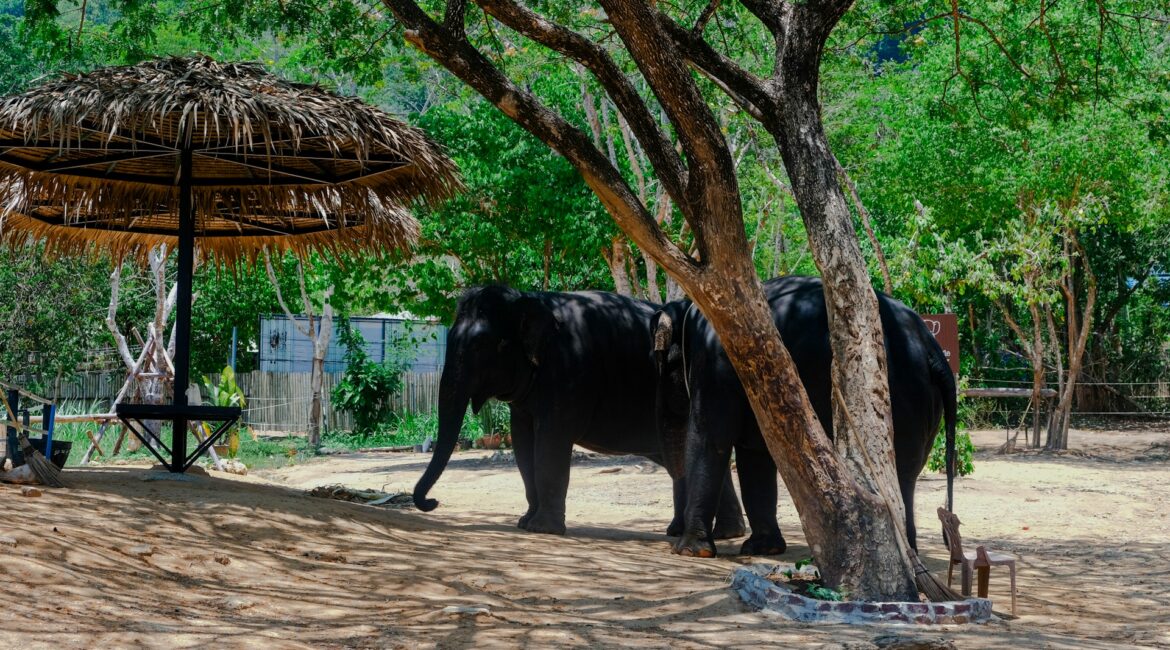
If you’re searching for an elephant sanctuary in Phuket, you’ve already made the right call — but “ethical” is a word that gets slapped on a lot of places that still chain elephants, use bullhooks, or force bathing sessions for photos. This guide cuts through the noise.
The short answer: the most responsible elephant sanctuary experiences in Phuket are observation-only — no riding, no bathing, no touching. Below are the top-rated options, what makes each one worth visiting, and the red flags to avoid when booking.
👉 Tip: Ethical sanctuaries cap visitor numbers and sell out fast — especially in high season. Book your spot in advance to avoid missing out.
What Makes an Elephant Sanctuary Actually Ethical?
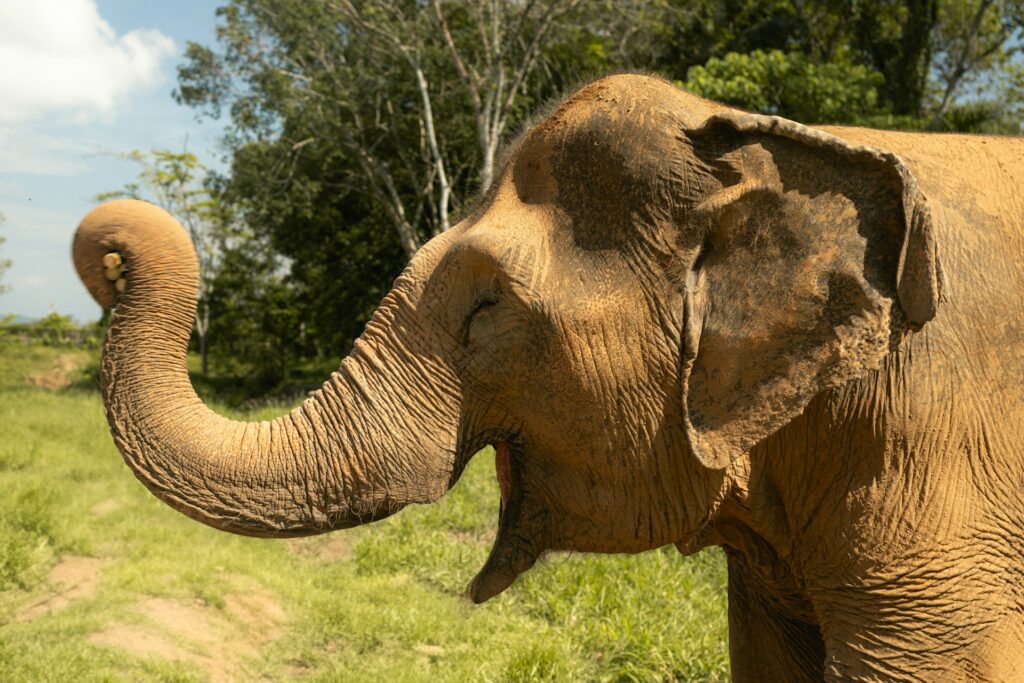
The term “elephant sanctuary” has no legal definition in Thailand, which means any venue — from genuine rescue operations to riding camps — can use it freely. The key is to look past the label and check what actually happens there.
Genuine sanctuaries let elephants set the pace. They forage, socialise, and move through large forested areas without being prompted for performances or forced into water for tourist photos.
| Feature | Green Flag ✅ (Ethical) | Red Flag ❌ (Avoid) |
|---|---|---|
| Interaction | Observe from a distance; feeding behind a barrier | Riding, scrubbing, bathing, or hugging |
| Control methods | No hooks, chains, or raised voices | Bullhooks or forcing elephants into water |
| Environment | Large forested areas for free roaming | Small concrete pens or artificial pools |
| Schedule | Elephant-led; they choose where to go | Fixed ‘show’ times or forced performances |
| Group size | Capped visitor numbers | Large tour groups with rapid elephant turnover |
Top Elephant Sanctuaries in Phuket (Ethical, Observation-Based)
1. Phuket Elephant Sanctuary (ช้างช่วยช้าง)
The island’s first ethical elephant sanctuary, endorsed by National Geographic. It operates a 500-metre canopy walkway where visitors observe elephants roaming and foraging naturally — no handlers directing animals for camera shots.
2026 Update: As of April 2026, PES has discontinued all feeding interactions to align with a 100% natural behaviour model. Elephants are now fully observation-only.
- Address: 100/9 Moo 2, Paklok, Thalang District
- Rating: 4.8 ★ (3,100+ reviews)
- Half-day price: From THB 3,000 per adult
- Full-day price: From THB 7,000 per adult
- Check-in: Morning/full-day: arrive 9:00–9:15 AM. Afternoon: 1:00–1:15 PM. Canopy Walkway: 9:10, 9:40, 1:40, or 2:10
- Transfer: Shared round-trip transfers from within Phuket province included; private transfers available at extra cost
- Best for: First-time visitors wanting a well-known, National Geographic-accredited experience
2. Phuket Elephant Nature Reserve (ศูนย์อนุรักษ์ช้างภูเก็ต)
Known for its strict hands-off policy — no bathing, no touching. The programme focuses on watching elephants forage in jungle terrain, with an educational briefing on elephant welfare and Thai conservation efforts.
- Address: 100/12 Moo 7, Srisoonthorn Road, Thalang District
- Rating: 4.9 ★ (1,900+ reviews)
- Half-day price: From THB 3,000 (includes shared transfer)
- 90-minute Short Adventure: From THB 1,200 — note: transfer not included (see below)
- Transport note: The 90-minute programme does not include transfers. Use Grab, Bolt, or InDriver — or PENR can arrange a private taxi/van for a THB 2,000 supplement
- Best for: Families and time-pressed travellers (90-min option); strictest no-touch policy on the island
3. Hidden Forest Elephant Reserve (เขตสงวนช้างป่าซ่อน)
A smaller sanctuary in southern Phuket with 11 rescued elephants — all saved from logging, riding, and bathing industries since opening in December 2023. Its Chalong location makes it the most convenient option for travellers based in the south.
- Address: 38/1 Soi Nakok, Chalong, Southern Phuket
- Rating: 4.9 ★ (1,600+ reviews)
- Price: THB 2,900 per adult
- Transfer: Included from Rawai, Chalong, Nai Harn, Kata, Karon, Patong, and Kamala. Surcharge applies for other areas
- Drive time from Patong: Typically 30–50 minutes
- Best for: South-based travellers; smaller, more intimate group experience
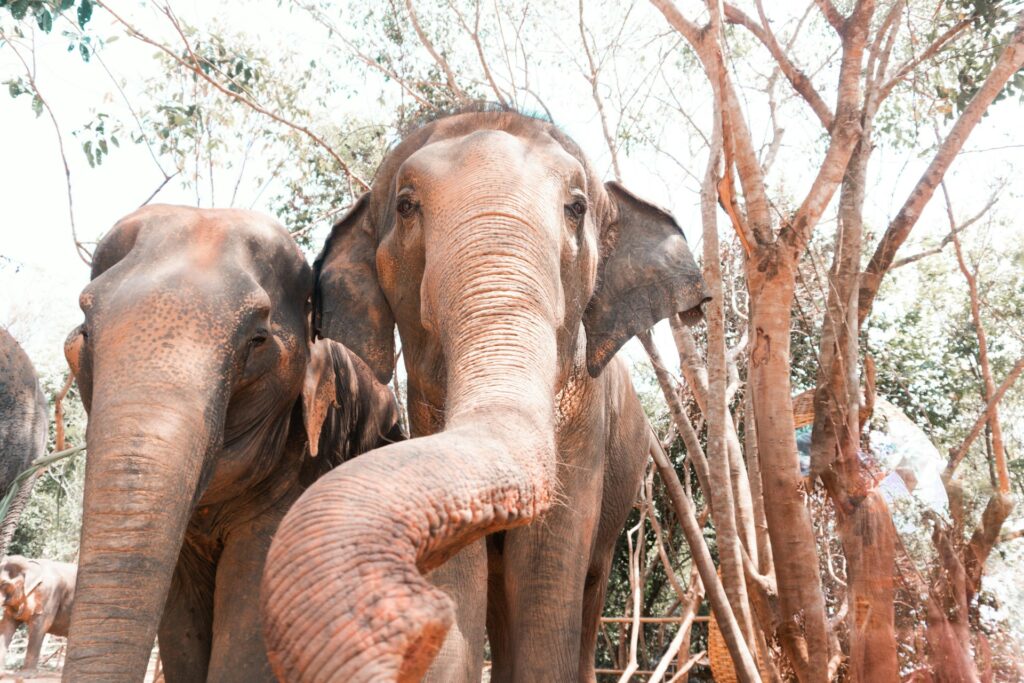
Elephant Sanctuary Phuket: Quick Comparison (2026)
| Sanctuary | Adult Price | Location | Transfer | Touch Policy |
|---|---|---|---|---|
| Phuket Elephant Sanctuary | From THB 3,000 (half-day)From THB 7,000 (full-day) | Paklok, Thalang (North) | Shared included from Phuket province | Observation only — no feeding since Apr 2026 |
| Phuket Elephant Nature Reserve | From THB 1,200 (90-min)From THB 3,000 (half-day) | Srisoonthorn, Thalang (North) | Included for half-day only; THB 2,000 supplement for 90-min | Strict no-touch; no bathing |
| Hidden Forest Elephant Reserve | THB 2,900 | Chalong (South) | Free from Patong, Karon, Kata, Kamala + south beaches. Surcharge from other areas. | No bathing; observation only |
Prices verified against sanctuary websites, May 2026. Check directly before booking as programmes and pricing may change.
What to Expect on the Day
Most half-day programmes run 3–4 hours including travel time. Here’s the typical format at ethical sanctuaries:
- Welcome briefing on elephant welfare and sanctuary rules — usually 20–30 minutes
- Guided walk to observation areas — canopy walkways or forest paths depending on the site
- Observe elephants eating, socialising, and moving through their natural habitat
- Vegetarian or Thai lunch typically included for half-day and full-day programmes (confirm per venue at booking)
Wear closed-toe shoes and bring sunscreen — you’ll be outdoors for most of the visit. Cameras are welcome; tripods and drones are usually not permitted.
How to Book an Ethical Elephant Sanctuary in Phuket
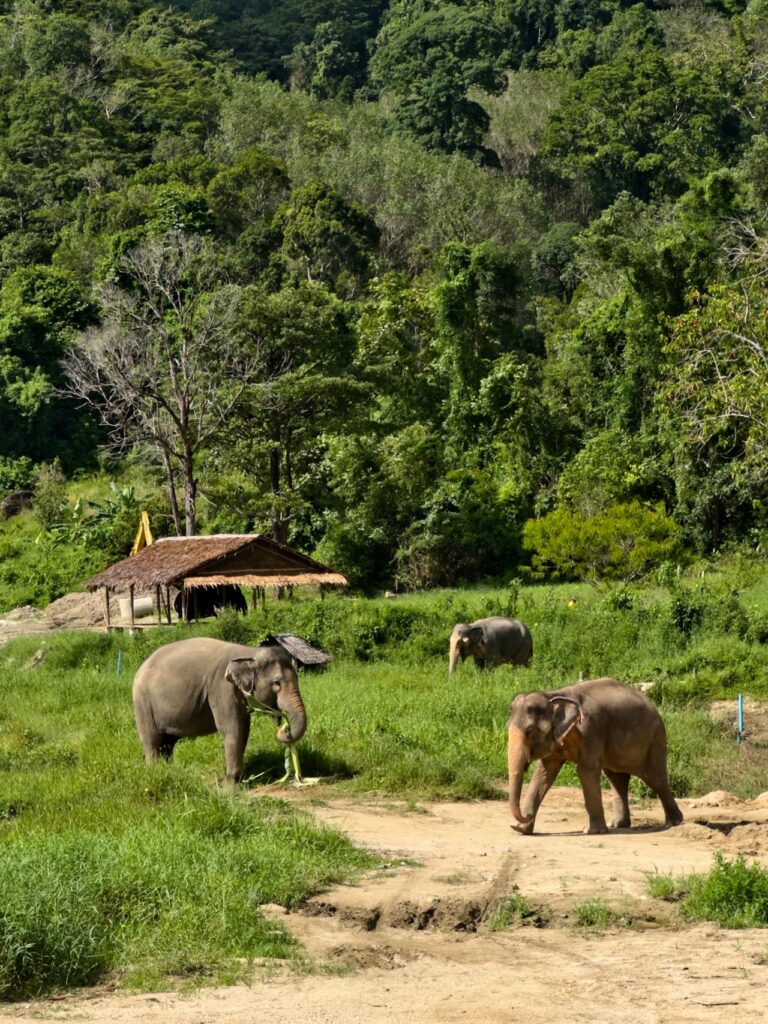
Ethical sanctuaries deliberately limit daily visitor numbers to keep the environment calm and low-stress for the elephants. This means spots fill up quickly, particularly during the high season (Nov–Apr).
Book directly through the sanctuary’s website or a reputable booking platform — avoid walk-in tours sold at hotel desks, which may not always represent the most welfare-focused operations.
How Much Does an Elephant Sanctuary in Phuket Cost?
Ethical half-day experiences start from THB 1,200 (PENR’s 90-minute programme) up to THB 7,000 for a full-day immersive experience at PES. As a general rule, higher prices reflect smaller group sizes, stricter welfare standards, and more land per elephant.
Be cautious of very cheap options (under THB 1,000) — low prices at elephant venues in Thailand almost always indicate revenue is supplemented by riding, performing, or high-volume turnover.
| Programme Type | Price Range | What to Expect |
|---|---|---|
| Budget/entry | Under THB 1,000 | Likely not observation-only — verify welfare standards carefully before booking |
| Short programme | THB 1,200–2,000 | 90-minute observation (PENR Short Adventure); note transfer may not be included |
| Half-day | THB 2,900–3,500 | 3–4 hour programme with lunch; transfers typically included |
| Full-day | From THB 7,000 | Full immersion at PES; smaller groups, more land, lunch included |
Getting to Elephant Sanctuaries from Phuket’s Beach Areas
Transfer policies differ significantly between the three sanctuaries — worth knowing before you book, especially if you’re on the short 90-minute PENR programme.
| Sanctuary | Transfer Included? | Drive Time from Patong | Independent Options |
|---|---|---|---|
| Phuket Elephant Sanctuary | Yes — shared transfer from Phuket province included | 45–60 min (up to 1 hr in peak morning traffic) | Grab / Bolt / metered taxi |
| Phuket Elephant Nature Reserve | Yes for half-day. No for 90-min programme (THB 2,000 supplement) | 45–60 min | Grab, Bolt, InDriver; or ask hotel |
| Hidden Forest Elephant Reserve | Yes from Rawai, Chalong, Nai Harn, Kata, Karon, Patong, Kamala. Surcharge from other areas | 30–50 min | Grab / Bolt / metered taxi |
If travelling independently to the Thalang-based sanctuaries, allow extra time — the 9:00–9:15 AM check-in window at PES means leaving Patong by 8:00 AM at the latest during high season. See our guide to getting around Phuket for taxi and ride-share options.
Practical Tips for Visiting an Elephant Sanctuary in Phuket
- Book early: Ethical sanctuaries sell out 1–2 weeks ahead in high season (Nov–Apr)
- Check the transfer policy before booking: PENR’s 90-min programme does not include transport — factor in taxi costs or upgrade to the half-day
- Wear earthy colours: Bright clothing can stress animals — check the sanctuary’s dress code on their website
- Leave phones on silent: Loud ringtones and flash photography disturb elephants
- No perfume or strong insect repellent: Many sanctuaries ask you to avoid strong scents on the day
- Combine with the north of Phuket: Thalang-area sanctuaries are close to Khao Phra Thaeo National Park (อุทยานแห่งชาติเขาพระแทว) and the Gibbon Rehabilitation Project — worth pairing for a full nature day, or combine with a visit to hidden beaches in northern Phuket.
Which Is the Best Elephant Sanctuary in Phuket?
For most visitors, Phuket Elephant Nature Reserve edges ahead on welfare credentials — it holds the highest rating (4.9 ★) and maintains the strictest no-touch policy of the main options. Phuket Elephant Sanctuary is the more established choice if you prefer a National Geographic-endorsed venue with the island’s largest footprint — and its April 2026 decision to end all feeding interactions shows a genuine commitment to raising standards further. Hidden Forest Elephant Reserve is the best pick for a quieter, more intimate visit if you’re staying in the south, with the most convenient transfer coverage.
All three are meaningfully better than the majority of elephant venues on the island. The most important decision is simply avoiding any place that still offers riding, bathing-with-elephants, or performances — those practices cause measurable harm regardless of how they’re marketed.
FAQs
Yes. Phuket has several genuinely ethical options, including Phuket Elephant Sanctuary, Phuket Elephant Nature Reserve, and Hidden Forest Elephant Reserve — all of which prohibit riding, bathing, and performances.
Prices range from THB 1,200 for the PENR 90-minute Short Adventure up to THB 7,000 for a full-day programme at Phuket Elephant Sanctuary. Half-day visits at the top sanctuaries typically cost THB 2,900–3,500, with shared transfers included.
Riding is still offered at some venues in Phuket, but it is not considered ethical — it requires training methods that cause stress and physical harm to the animals. The sanctuaries listed in this guide do not offer riding.
The top-rated sanctuaries do not offer elephant bathing as a tourist activity. Bathing elephants on cue requires forcing them into water on a schedule — this is now widely recognised as a welfare red flag. Phuket Elephant Sanctuary went further in April 2026, ending all feeding interactions to move to a fully natural observation model.
The Thalang-based sanctuaries (Phuket Elephant Sanctuary and Phuket Elephant Nature Reserve) are 45–60 minutes from Patong by car — allow up to an hour in peak morning traffic. Hidden Forest Elephant Reserve in Chalong is closer at 30–50 minutes from Patong.
Yes — ethical sanctuaries cap visitor numbers and frequently sell out, especially from November to April. Booking 1–2 weeks ahead is strongly recommended.
Yes, most sanctuaries welcome children. Phuket Elephant Nature Reserve’s 90-minute Short Adventure is specifically marketed as a family option. Check minimum age requirements directly with each venue before booking. For more ideas, see our roundup of family-friendly activities in Phuket.
No. The Short 90-Minute Elephant Adventure at PENR does not include transfers. You’ll need to arrange your own taxi via Grab, Bolt, or InDriver — or PENR can organise a private vehicle for a THB 2,000 supplement. The half-day programme does include a shared transfer.
As of April 2026, PES stopped all feeding interactions as part of a move to a 100% natural behaviour model. Elephants are now fully observation-only — visitors watch from the canopy walkway and forest paths without any staged interaction.
Wear comfortable, closed-toe shoes and muted clothing (grey, beige, or dark green). Avoid bright colours, strong perfume, or insect repellent — check the individual sanctuary’s dress code on their website before you arrive.