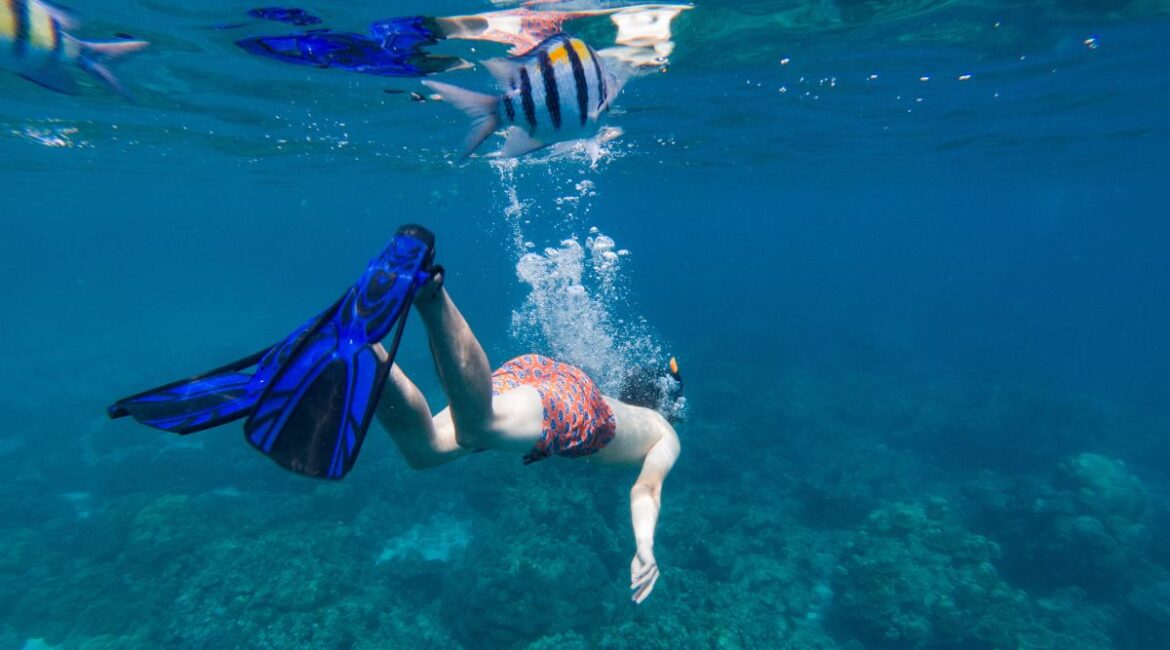
Scuba diving in Thailand had been on travelers’ bucket list for years, and when planning the trip, the Phi Phi Islands stood out as one of the most famous diving destinations in the Andaman Sea. Known for dramatic limestone cliffs, crystal-clear water, and diverse marine life, the islands offered the perfect balance between scenic beauty and accessible diving sites.
Holding an Open Water certification and have completed several recreational dives in Southeast Asia, so I was looking for dive sites that would be visually impressive while still relaxing and enjoyable. The expectations included vibrant coral reefs, reef sharks, and warm tropical waters.
This review is designed for travelers deciding whether Phi Phi diving is suitable for beginners, certified divers, or holiday travelers wanting to try diving during their Thailand trip.
Getting to Phi Phi Islands for Scuba Diving
Starting Points for Dive Trips
Most dive trips to Phi Phi Islands depart from Phuket or Krabi.
Phuket is the most common departure point. Many dive operators offer hotel pickup and boat transfers from Chalong Pier. This option is convenient for travelers staying in major resort areas.
Krabi is another popular starting location. Departures usually leave from Ao Nang or Railay Beach, offering slightly shorter boat travel times.
Some travelers choose to stay overnight on Phi Phi Don Island. This option allows divers to access early morning dive trips and experience the islands after day tour crowds leave.
Travel Logistics and Boat Transfer Experience
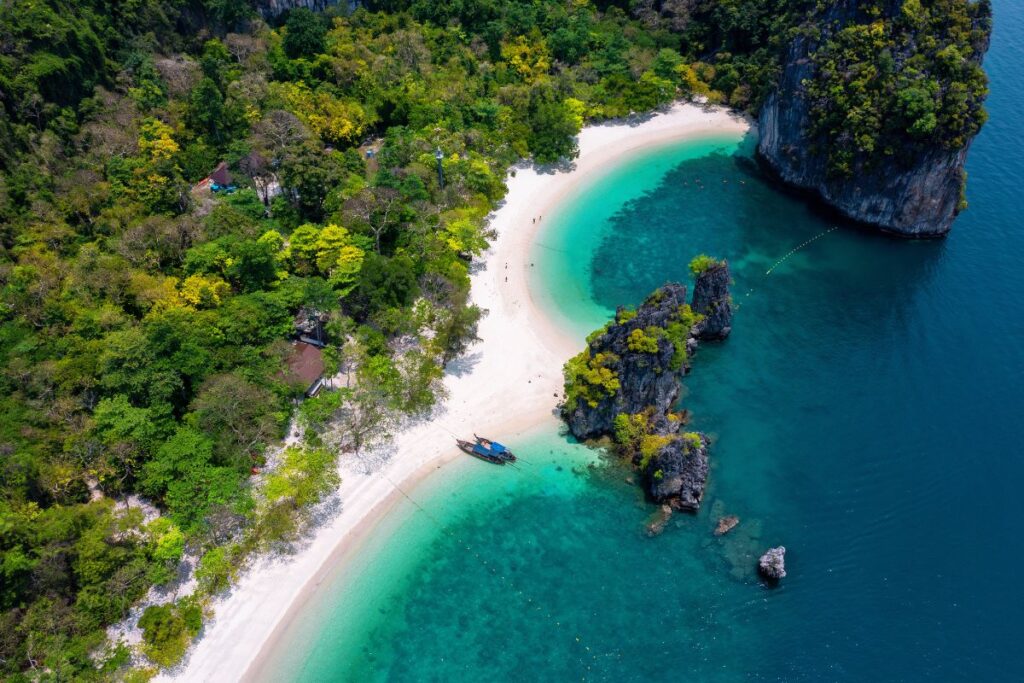
Boat transfers typically take between one to two hours depending on departure location. The journey itself is scenic, with views of limestone karsts rising dramatically from turquoise waters.
Pickup services were punctual and well organized. Check-in was straightforward, involving equipment sizing and paperwork verification before boarding.
The dive boat was comfortable with shaded seating, freshwater showers, and storage space for personal belongings. The atmosphere felt friendly and relaxed, with a mix of beginner divers and experienced underwater photographers.
First Impression: Dive Briefing and Preparation
Meeting the Dive Team
The dive instructors were professional and approachable. The safety briefing covered dive site conditions, underwater signals, and emergency procedures in clear detail.
Divers were grouped based on certification level and experience. This ensured each group had similar comfort levels underwater, which greatly improved safety and enjoyment.
Equipment Setup and Training
The gear quality was excellent and well maintained. The staff carefully helped with equipment fitting, including masks, buoyancy control devices, and regulators.
For divers who had not been underwater recently, refresher training sessions were available. These sessions reviewed buoyancy control, breathing techniques, and safety procedures.
The team performed multiple safety checks before entering the water, which created a reassuring sense of professionalism.
What a Typical Phi Phi Diving Day Looks Like
1. Daily Dive Schedule
A standard diving trip usually includes two or three dives at different locations. Each dive lasts approximately 45 minutes depending on air consumption.
Between dives, there were surface intervals allowing divers to relax, hydrate, and enjoy snacks or lunch. Meals typically included Thai and international dishes along with fruit and beverages.
2. Boat Experience and Atmosphere
The boat environment was social and welcoming. Divers shared stories, exchanged travel tips, and compared underwater sightings. The crew remained attentive throughout the trip, helping with equipment handling and dive preparation.
Best Spots for Diving Around Phi Phi Islands
1. Bida Nok
Bida Nok offered one of the most impressive underwater landscapes. The dive reached moderate depths, suitable for certified divers. Visibility was excellent, revealing towering rock formations and colorful coral walls.
Marine life included schools of tropical fish, moray eels, and occasional reef sharks.
2. Bida Nai
Bida Nai featured calm diving conditions and excellent visibility. The coral ecosystem here felt vibrant and full of life. I encountered large schools of snapper, clownfish hiding among anemones, and several turtles.
The reef structure was gentle and suitable for divers of varying experience levels.
3. Palong Wall
Palong Wall provided a thrilling wall diving experience. The vertical drop created a dramatic underwater environment. This site is known for shark sightings, and during the dive, we spotted blacktip reef sharks cruising along the reef edge.
Currents were mild, making the dive manageable with proper guidance.
4. Hin Klang
Hin Klang offered a different experience with open sea reef diving. The coral gardens stretched across sandy seabeds, creating a peaceful underwater landscape. Fish density here was impressive, with large schools moving through the reef.
This site is generally suitable for both beginners and intermediate divers.
5. Other Nearby Dive Spots
Other dive areas included locations near Viking Cave and connections toward Shark Point. Each dive site offered unique underwater terrain, from coral gardens to dramatic rock formations.
Discover the best diving spots around the Phi Phi Islands and plan your unforgettable underwater adventure!

Marine Life and Underwater Scenery Review
Shark and Large Marine Species Encounters
Reef sharks were one of the highlights of diving at Phi Phi Islands. Leopard sharks are occasionally spotted resting on sandy seabeds, while turtles appear frequently near coral reefs.
Seasonal changes influence wildlife sightings, with shark encounters more common during calmer months.
Coral Reef Quality and Biodiversity
The coral reefs around Phi Phi remain relatively healthy with strong biodiversity. Hard corals dominate many areas, while soft corals add vibrant colors.
Macro life is also abundant. Divers can spot nudibranchs, shrimp, and seahorses hiding among coral formations.
Visibility was consistently good, often exceeding 20 meters, enhancing the overall underwater experience.
Expectation vs Reality
Before diving, I expected beautiful scenery and occasional marine life. The reality exceeded expectations. The density of fish and coral diversity created a visually stunning environment that felt immersive and lively.
Divers should still remember that wildlife sightings vary daily, and patience is important.
Skill Level and Safety Evaluation
Is Phi Phi Suitable for Beginners?
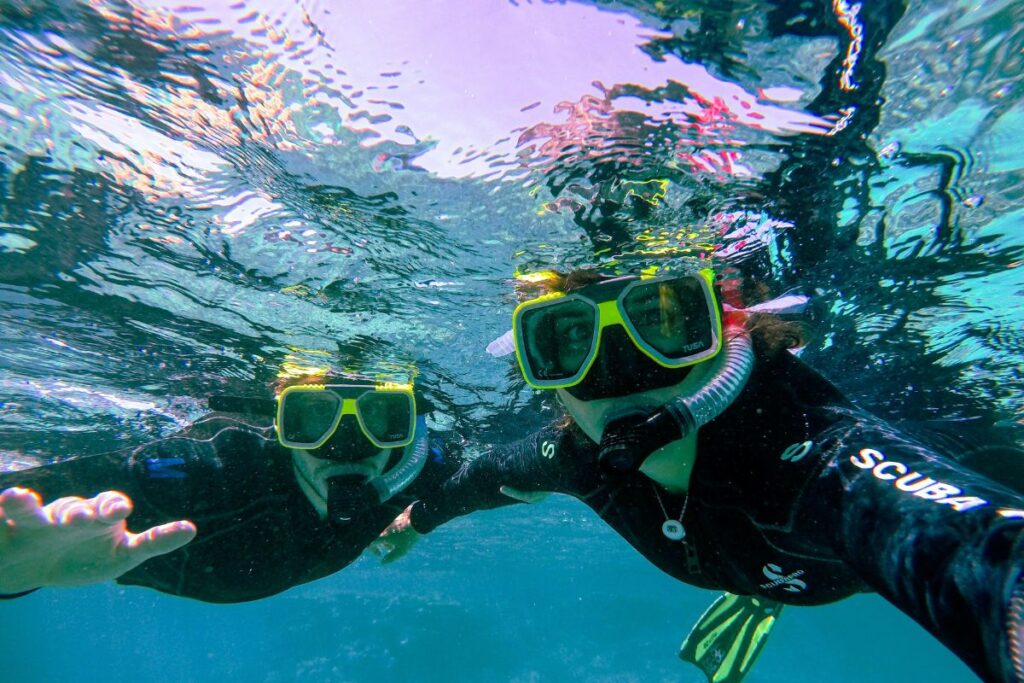
Yes, Phi Phi offers Discover Scuba Diving programs designed for beginners. Training sessions take place in shallow waters before open sea dives. The gentle reef structures and warm water conditions make learning comfortable.
Experience for Certified Divers
Certified divers can explore deeper reefs and wall dives. Depth ranges vary between 12 and 30 meters depending on the dive site. Some areas may have mild currents requiring basic navigation skills.
Safety Standards and Instructor Support
Safety standards were excellent. Emergency oxygen equipment and communication devices were available onboard. Dive instructors maintained close supervision throughout each dive.
Best Time for Phi Phi Islands Scuba Diving
Visibility and Sea Conditions by Season
The dry season from November to April offers calm seas and the best visibility. The monsoon season may reduce visibility but can bring exciting marine life activity.
Marine Life Seasonality
Shark sightings are more frequent during the dry months. Turtle encounters occur year-round, while coral viewing remains vibrant throughout most seasons.
Crowd Levels Throughout the Year
Peak tourism occurs from December to March. Travelers seeking quieter dives should consider shoulder seasons such as May or October.
Pricing and Package Types for Phi Phi Diving
Discover Scuba Diving Packages
These packages include training, instructor guidance, and equipment rental. Pricing usually ranges between 3,000 to 5,000 Thai Baht.
Fun Dive Packages for Certified Divers
Certified diver packages often include multiple dives, meals, and transportation. Equipment rental is usually optional.
Certification Courses Available
Open Water certification courses are widely available and typically take three to four days to complete. Pricing ranges from 12,000 to 16,000 Thai Baht.
Value Comparison with Other Thailand Dive Destinations
Phi Phi offers excellent value when compared to Phuket diving. Koh Tao is typically cheaper but has less dramatic scenery. Similan Islands provide premium diving but require longer travel time and higher costs.
Pros and Cons of Scuba Diving at Phi Phi Islands
What Makes Phi Phi Diving Special
Phi Phi stands out due to marine biodiversity, scenic underwater cliffs, and convenient access from major tourist hubs.
Challenges and Limitations
Popular dive sites can become crowded. Visibility may vary during rainy seasons. Boat travel time may be tiring for some travelers.
Phi Phi vs Other Thailand Diving Destinations
Phi Phi vs Phuket Diving
Phi Phi generally offers better underwater scenery, while Phuket provides easier logistics and more dive operators.
Phi Phi vs Koh Tao
Koh Tao is better suited for beginner training, while Phi Phi offers richer biodiversity.
Phi Phi vs Similan Islands
Similan Islands deliver premium wildlife encounters but require overnight trips and higher budgets.
Practical Tips for Scuba Diving at Phi Phi Islands
What to Bring for Your Dive Trip
Bring swimwear, sunscreen, towels, and motion sickness medication if prone to seasickness.
How to Prepare Before Diving
Practice relaxed breathing techniques and maintain moderate fitness levels to improve comfort underwater.
Environmental Responsibility While Diving
Avoid touching coral reefs and maintain safe distances from marine wildlife to protect fragile ecosystems.
Looking for more ways to enjoy Phuket? Discover complete guides to Kamala Beach, Karon Beach, must-do activities in Patong, and exciting experiences in Karon, along with expert tips on the best time to visit Phuket for the perfect tropical getaway.
FAQs of Phi Phi Islands Scuba Diving
Scuba diving at Phi Phi Islands exceeded expectations with vibrant coral reefs, diverse marine life, and professional dive operations. The destination offers excellent accessibility while maintaining impressive underwater scenery.
This diving experience is highly recommended for travelers seeking scenic tropical diving with strong safety standards. Divers wanting remote, untouched environments may consider Similan Islands, but for convenience and beauty combined, Phi Phi remains an outstanding choice.
Phi Phi is ideal for first-time divers, holiday divers, marine wildlife enthusiasts, underwater photographers, and travelers combining diving with sightseeing.
Yes. Phi Phi Islands offer Discover Scuba Diving programs designed for beginners with no prior certification. Professional instructors provide training in shallow water before open sea dives, making it a safe and comfortable introduction to scuba diving.
You do not need certification for introductory Discover Scuba Diving experiences. However, certified divers can join fun dive trips and explore deeper dive sites around the islands.
Divers commonly spot reef sharks, turtles, moray eels, and large schools of tropical fish. Coral reefs are vibrant and diverse, and macro marine life such as nudibranchs and shrimp can also be found.
The best diving conditions usually occur during the dry season from November to April when seas are calm and visibility is highest. Diving is still possible during the rainy season, although conditions may vary.
Discover Scuba Diving experiences typically range from 3,000 to 5,000 Thai Baht. Certified diver fun dive packages usually cost between 2,500 and 4,500 Thai Baht depending on the number of dives and included services.
Most day trips include two or three dives and last approximately six to eight hours, including boat transfers, dive briefings, meals, and surface breaks.
Yes, diving operators follow international safety standards. Professional instructors provide safety briefings, equipment checks, and close supervision during dives. Emergency oxygen and first aid equipment are typically available onboard.
Basic swimming ability is recommended, especially for open water diving. However, Discover Scuba Diving programs provide close instructor supervision, allowing beginners to feel comfortable in the water.
Staying overnight allows divers to access early morning dive trips and enjoy quieter island experiences. However, day trips from Phuket or Krabi are also widely available and convenient.